Archive for January, 2022

Final Reflection

Posted: January 19, 2022 in YTT Reflections

This 300-hour yoga teacher training began at the Santosha retreat in Mexico in 2016; reflecting on the past 5+ years is a daunting task as so much has occurred and so much has been learned. The past 4+ years are a blur courtesy of my previous profession entailing 70+ hour work week, thus only having the time and energy to tend to the coursework over winter and summer breaks, as well as extended weekends. Despite these limitations, I am grateful for these pauses as they provided me the time necessary to truly allow the various trainings to marinate and manifest in my own practice.

Santosha Retreat, November 28, 2016
Cabo San Lucas, Mexico

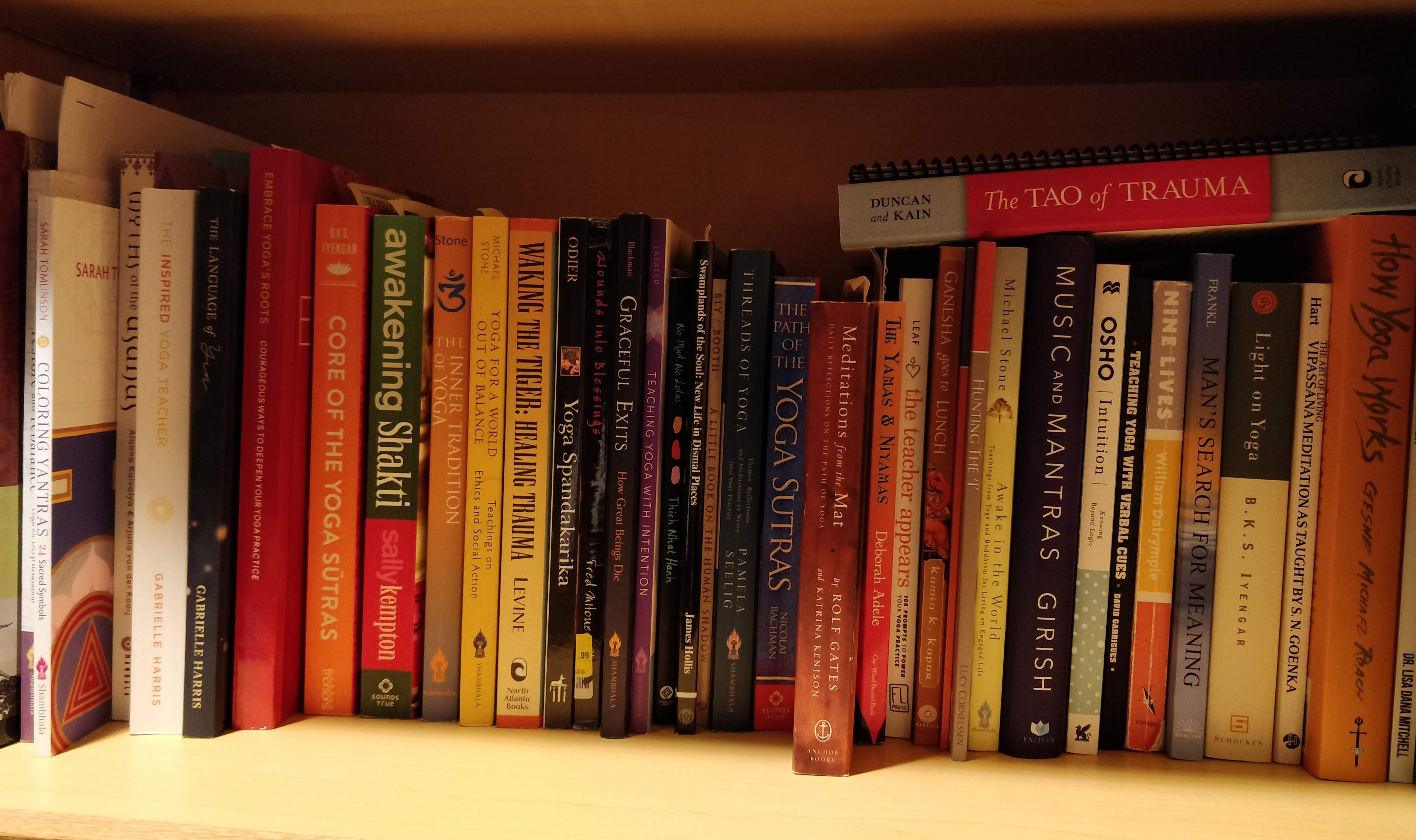
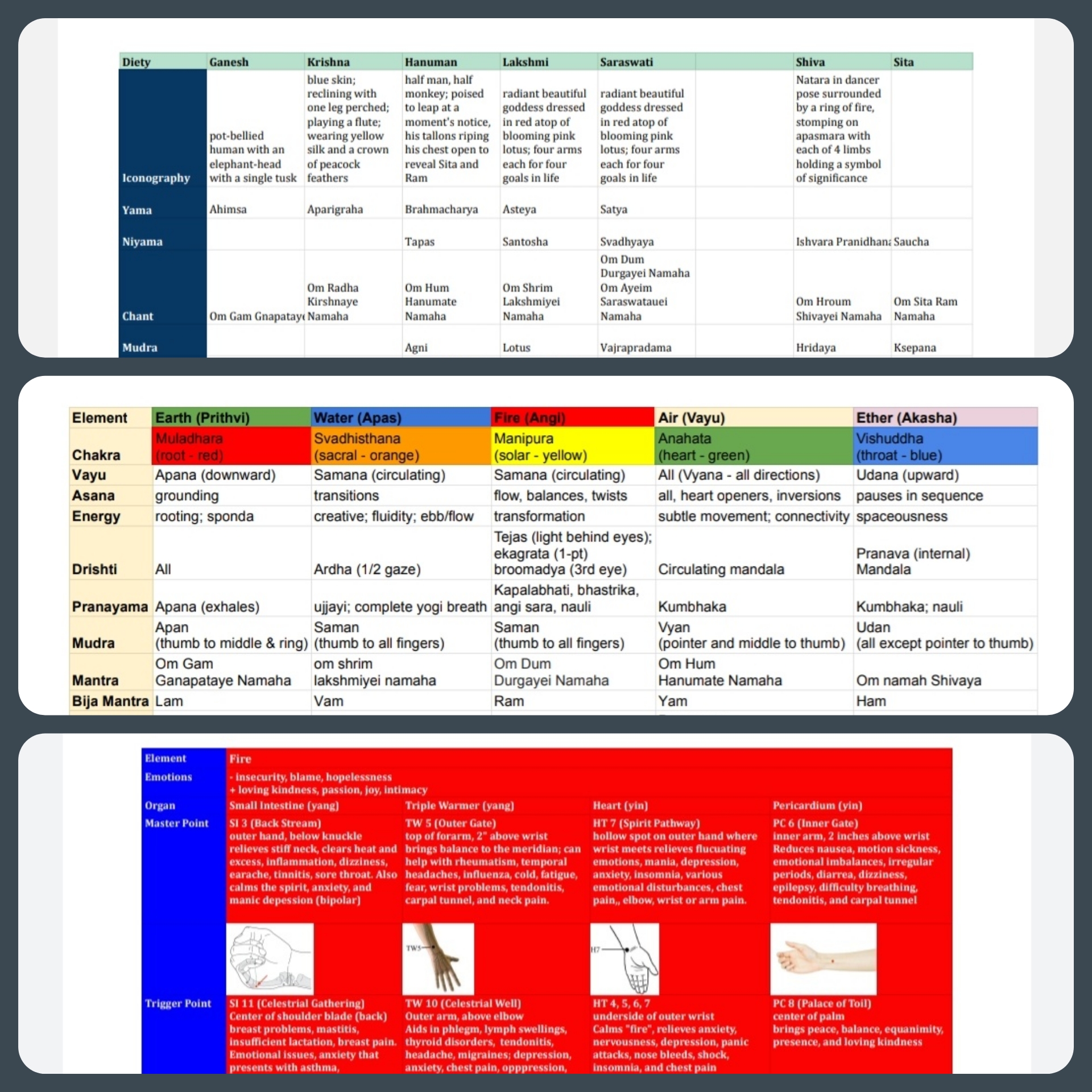
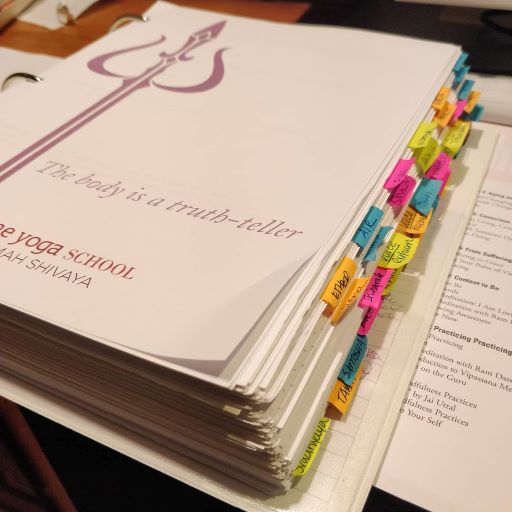
Each training offered truly unique experiences, materials of which are housed in a 4” binder along with my notes, and an entire shelf in my office devoted to course readings. To assist in my synthesizing this wealth of information, I began creating spreadsheets not only to collect, but to categorize and organize the information – often employing color-coding. As a visual learner, these charts were instrumental in helping me to conceptualize the various readings and voluminous amounts of information provided in the training sessions, particularly with regards to the various elements associated with this ancient practice. 
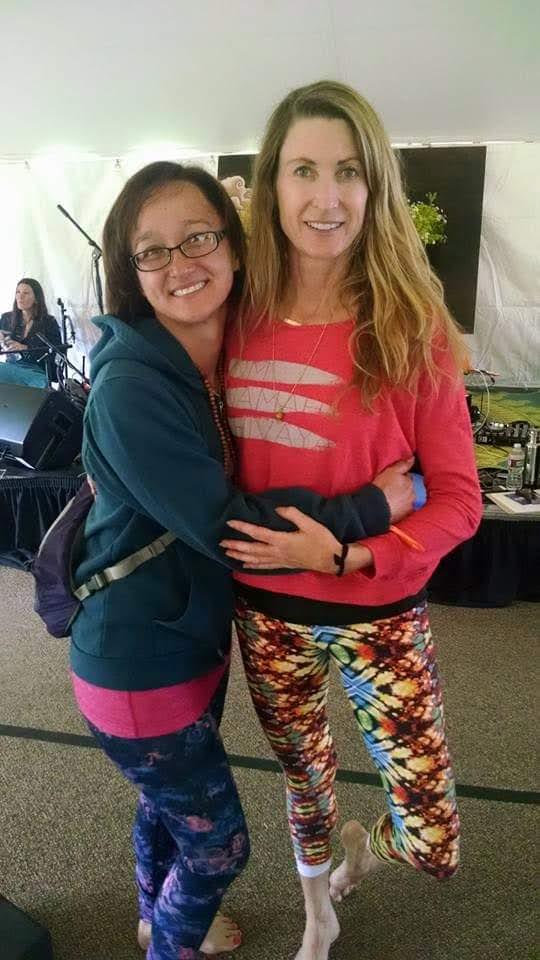
I remember asking Janet many years ago at a Hanuman Festival if there was a teacher or a studio in the Chicagoland area with similar offerings I’ve experienced with her. Her response: “You’ll have to create it.” I knew she wasn’t kidding, but the task seemed impossible. So, I focused on the path and let go of the goal, per se. I began incorporating a few elements and rituals into my own practice which then rippled into my teachings. Further along the path with a deeper connection to the practice, a shift began to occur: students became more interested in delving deeper.
Hanuman Festival, 2015

Years later, the aforementioned spreadsheets gave birth to a new offering in the form of a workshop titled “Rituals”. Setting aside a lifetime of fears and doubts, I sought to create a unique experience: a 2-hour workshop that incorporates many of the elements and rituals associated with a particular deity. Having completed Hanuman, Ganesha, and Durga, students are now requesting monthly offerings; fellow teachers are suggesting that these offerings should be included in future YTTs (See Conceptualizations for charts and Rituals Student Manuals). Indeed, what seemed impossible many years ago has now manifested into something magical.
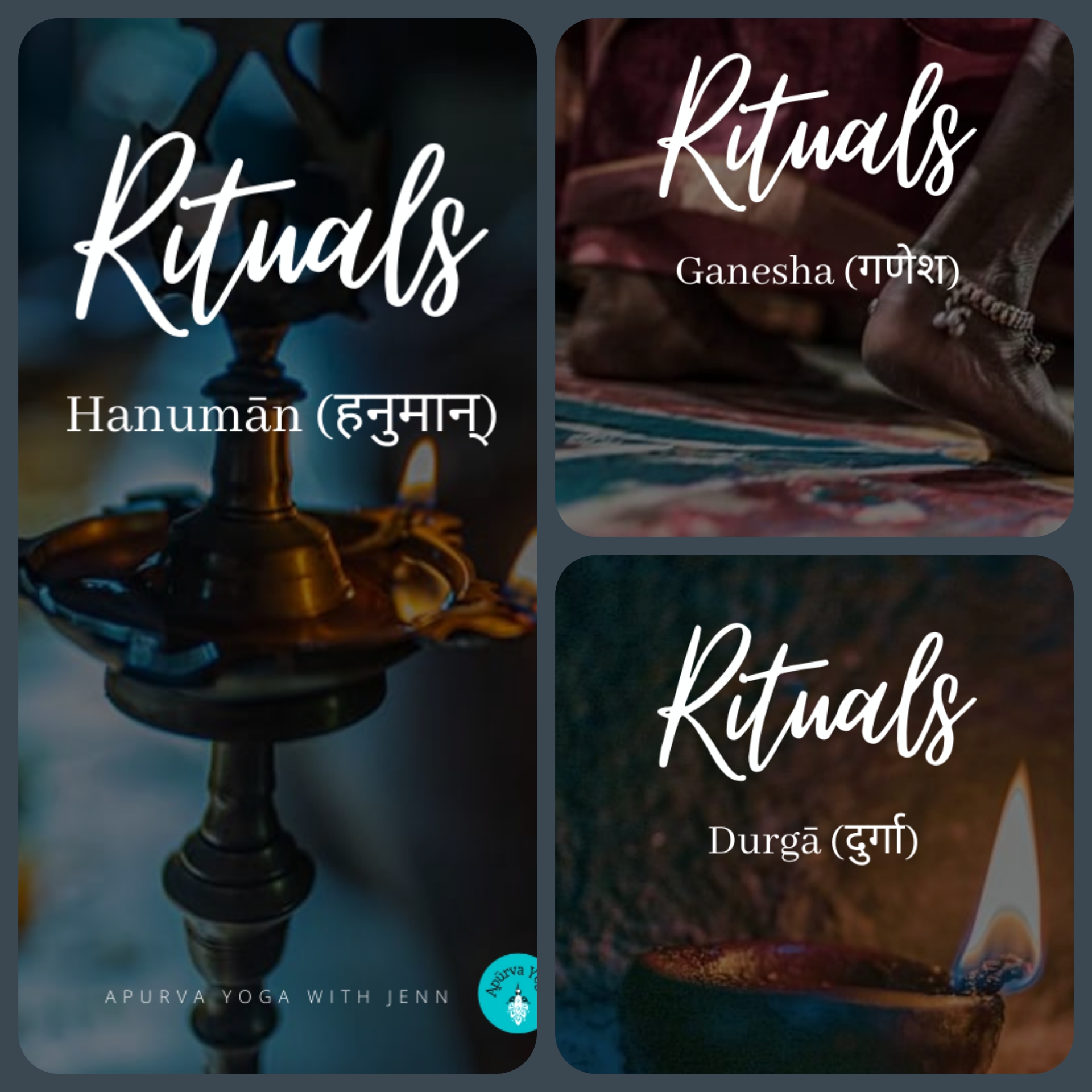
Manual Covers
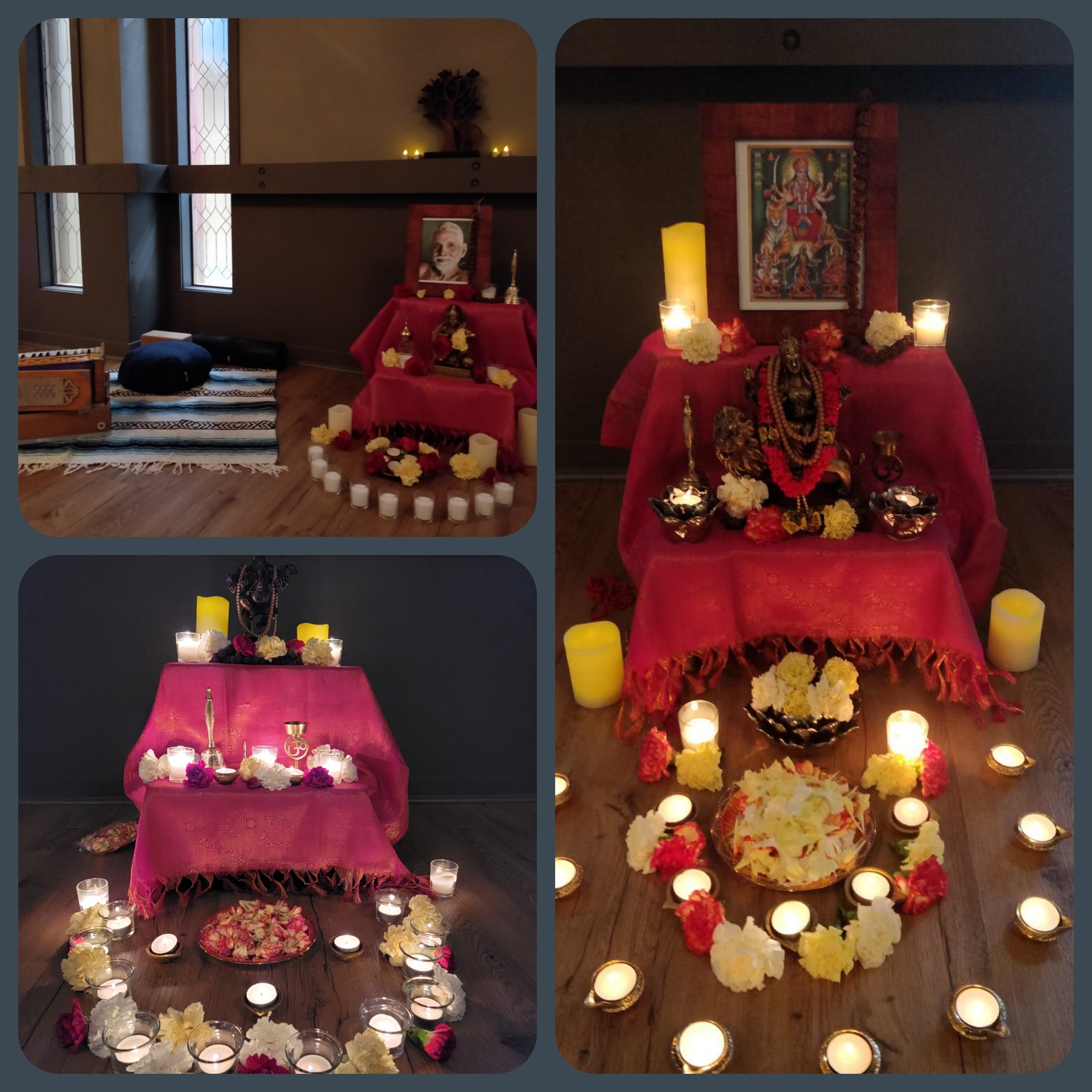
Altars for Hanuman, Ganesha, and Durga
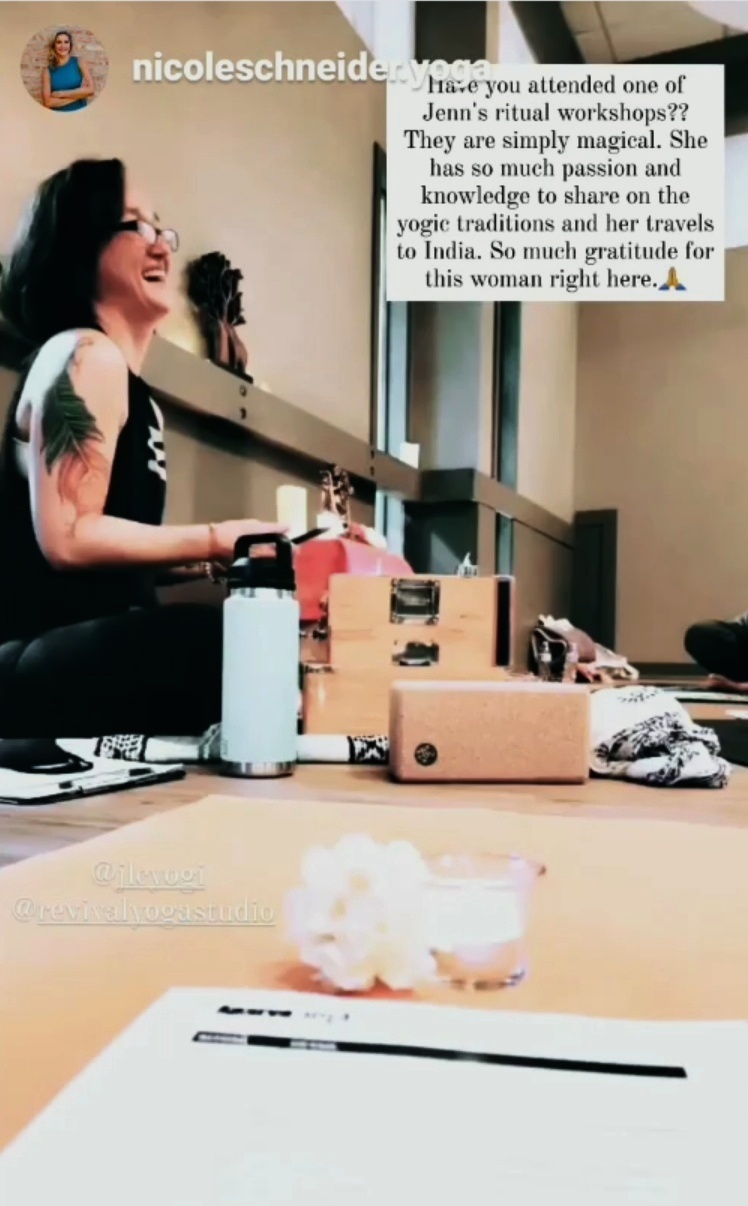
IG Post by Nicole Schneider
Ganesha, December 3, 2021

As stated in my 90-Day Sadhana reflection, there is much that I have learned about myself on this journey – especially during the 2020-21 Pilgrimage to India and the 8-Limbs training (See Sacred India and Living the 8-Limbs of Yoga).  My practice has definitely shifted and evolved over the course of this YTT, and it will continue to do so. For now, I am content and so very honored to have been included. While my Svādhyāya is far from over, I will continue on this path, and I will carry forward all that has been offered to me . . . love, compassion, grace, and gratitude. 

Photo Credit: Wari Om

Respectfully submitted with heartfelt love and immense gratitude.

Om Namah Shivaya

90-Day Sadhana

Posted: January 18, 2022 in YTT Reflections
Photo Credit: Brian Christian Adam

My daily sadhana practice includes ayurvedic morning ritual (cleansing teeth, tongue and face, lemon water) followed by dharma reading with coffee. I then perform Aarti (Hanuman, Ganesha, Durga), meditation with mantra, pranayama with mudra, asana practice, and close with Bhakti (practicing on my harmonium). During this 90-Day Sadhana, I also participated in a 40-Day Hanuman Chalisa Sadhana with Ram Chandra Das and Govind Das. Each day was devoted to a line(s) of the Hanuman Chalisa. The daily session began with aarti, full recitation of the Chalisa, translation and recitation of the day’s assigned line(s), dharma regarding the line(s), followed by bhakti of the full Chalisa

After retiring from public education last year in June, I returned to the Ashtanga practice. The longer holds during each posture (5 breaths each) resulted in more turning in and slowing down in my asana practice. I also began pausing between transitions; pausing to feel and pausing to notice. Additionally, I began exploring the Shakit energy more and incorporating it into my daily practice: beginning sequences on the left (ida) side, longer holds on the left side (especially during yin), and more grounding of the front body. What began to surface was the idea of tapping into Trantric perspective described in Sally Kempton’s Awakening Shakti:

“. . . all our biological activity is inherently feminine. The power behind the breath, . . . our heartbeat, the energy that fires our muscles, and the impulse behind thoughts.” (12)

Kempton, Sally. Awakening Shakti: Transformative Power of the Goddesses of Yoga. Sounds True, 2013.
Photo Credit: Brian Christian Adam

I envision the human digestive process as another form of Shakti – an elaborate process that requires no thought but just is; a process attuned to making use of the good and eliminating what is no longer needed or in excess. The digestive process is not limited to what we literally consume, but also everything that we take in from our other senses, as well as everything that has been passed down from those who came before us. But what surprised me the most was the profound realization (a manifestation of Saraswati) that the Shakti energy is about “being” rather than “doing.” These dramatic pauses in my practice became opportunities for me to simply be, as I am in that very moment, in that very breath; opportunities to bear witness without any judgment, expectation, or reaction; opportunities to sit in the fire of self-acceptance and healing.

Resistance continues to arise in my practice with regards to inversions and backbends. This resistance manifests from deeply rooted fears and feelings of inadequacy stemming from childhood traumas. However, over the course of the Sadhana, I recognize the resistance and attempt to set aside the negative emotions of the past. While I might not succeed in a particular inversion or backbend, I continue to focus on the path rather than the goal. 

What has come with ease in my practice is taking more opportunities to slow down, to feel, as well as the idea of “letting go” – even if it’s only for that moment; only for that breath. Releasing longer holds enables me to relish in the relief that courses through me and reminds me of how good it feels to simply let go – letting go of negative thoughts, emotions, or energy.

Photo Credit: Brian Christian Adam

My practice definitely rippled into my teachings. In fact, my class offerings shifted from Vinyasa to Slowburn and Yin. I never really considered myself a “yin” teacher; I was always  a vinyasa-kind-of-gal who loved the fast-pace, tricky transitions, and heat. However, I’ve noticed that I’ve slowed down. Maybe it is due to my getting older; perhaps, I’m done running and avoiding. Since these slower practices have truly resonated with me, my offerings have become more authentic, thus resonating with my students. Perhaps this need for slowing down and pausing is a direct result of the global pandemic that has created much fear and anxiety. These opportunities to slow down have been well-received in my class offerings.

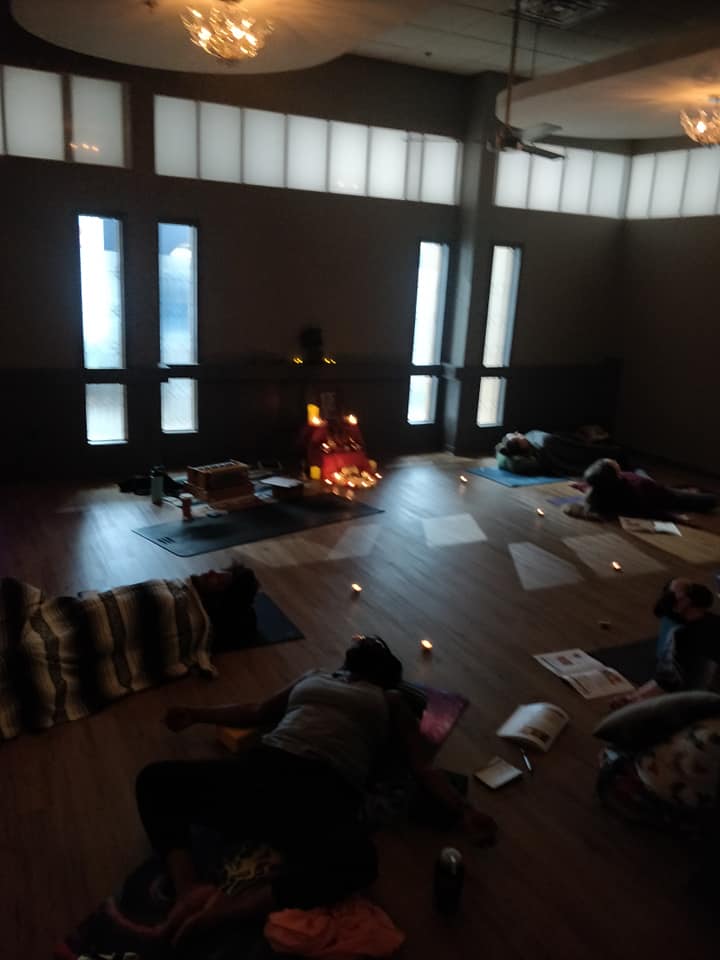
Rituals, 1/16/2022

While there are various ways in which I continue to integrate my daily practice, it is impossible to incorporate everything in a one-hour offering, I always set an intention and allow whatever to be to simply manifest. Oftentimes, I will incorporate my daily dharma reading as well as a particular ritual that resonates with the reading (pranayama, mudra, chakra, and/or niyama, yama). Janet’s question: “What are you up to?” is always in the forefront of my mind before each and every offering. 

As a result of my 90-day sadhana, I have created a unique offering known as “Rituals”. This 2-hour satsang has been well-attended as more students have expressed an interest in delving deeper into the practice. Over the course of the workshop, I incorporate various elements of the practice associated with a particular deity: traditional opening chant; mantra with mudra; iconography, role, embodiment, and dharma; overview of and application to the corresponding Element, Energy, Vayu, Kosha, Chakra, and Nadis; overview of and application to 8-Limbs; pranayama practice; intentional, grounded movement; meridian work (Yin and Restorative postures); and closing with bhakti. 

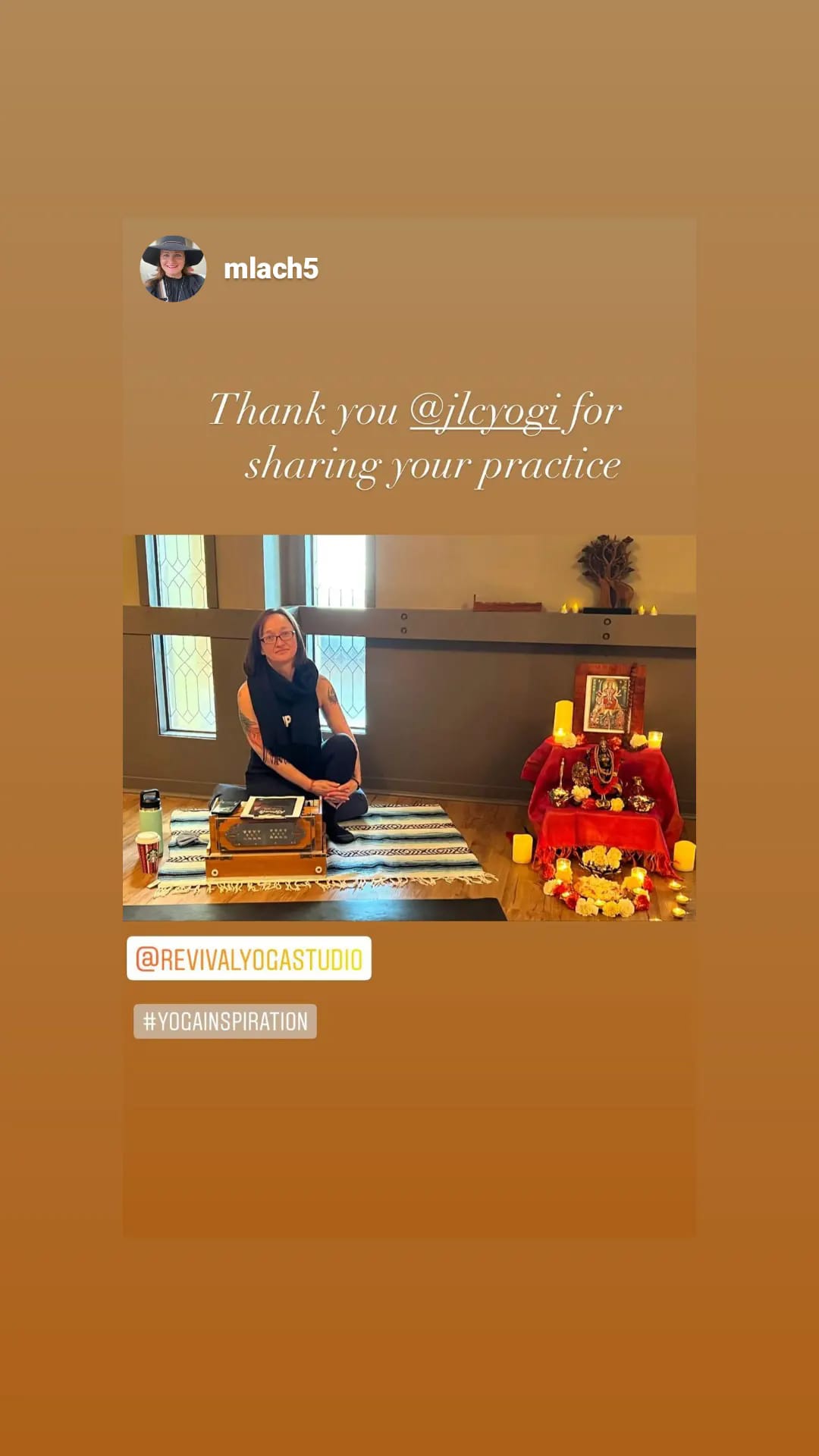
IG Post by Melissa Lach

In closing, the journey is far from over. I will continue to hold myself with love, compassion, and forgiveness so that I can offer the same to all those around me.