abhāva-pratyaya-ālambanā tamo-vr̥ttir-nidra
Sleep is the modification where the mind rests on the darkness that has no impressions.
Yoga Sutra 1.10
According to Patanjali, our minds stay active even during sleep, which is why we might not always feel fully rested. The quality of our rest depends on how focused our minds are when the brain, nervous system, and senses shut down. Instead of taking in new experiences, our minds often dive into memories and imagination, causing dreams. Even in dreamless sleep, the mind is still aware, hidden in a state called “mental stupor.”
Dreamless sleep gives the nervous system a break, making us feel refreshed after six to eight hours, but Patanjali suggests that mastering certain sleep techniques can provide even better rest in less time. Known as yoga nidra, this method involves being fully aware while sleeping, preventing the mind from wandering. Unlike regular sleep, where we are passive, yoga nidra allows us to sleep with awareness and control, offering complete rest and improving mental clarity and memory.
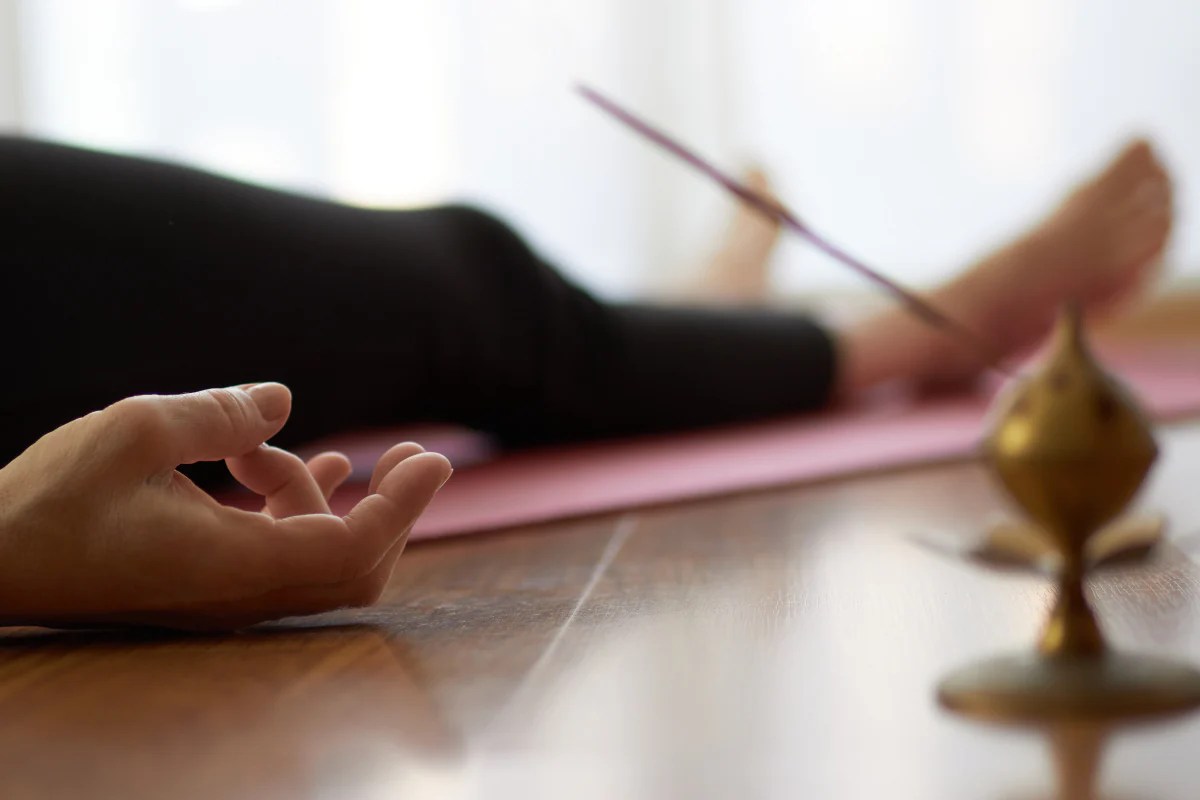
Maintaining a consistent sleep schedule, creating a comfortable sleeping environment, and incorporating yoga nidra into your daily routine can lead to deeper rest. To practice yoga nidra, lie down in a comfortable position like Savasana (Corpse Pose), close your eyes, and take deep, slow breaths. Scan your body, consciously relaxing each part from head to toe. Focus on your breath and surrender to the pull of gravity on each exhale. Incorporating yoga nidra will transform how you rest and wake up, leading to better mental clarity and improved memory.
Om Hari Om 🙏
 Apurva - Yoga with Jenn