Many people have asked me why I care so deeply about supporting those affected by cancer. The answer is simple: cancer has touched my life again and again. More than thirty people in my immediate circle — including two children — have faced a diagnosis.
My parents’ story remains especially close to my heart. My father was diagnosed with non-Hodgkin’s lymphoma in March 2005, and just a few months later, my mother learned she had breast cancer. They alternated weeks of treatment so they could care for and transport one another. I often made the two-hour drive from my home to central Illinois on weekends to help.
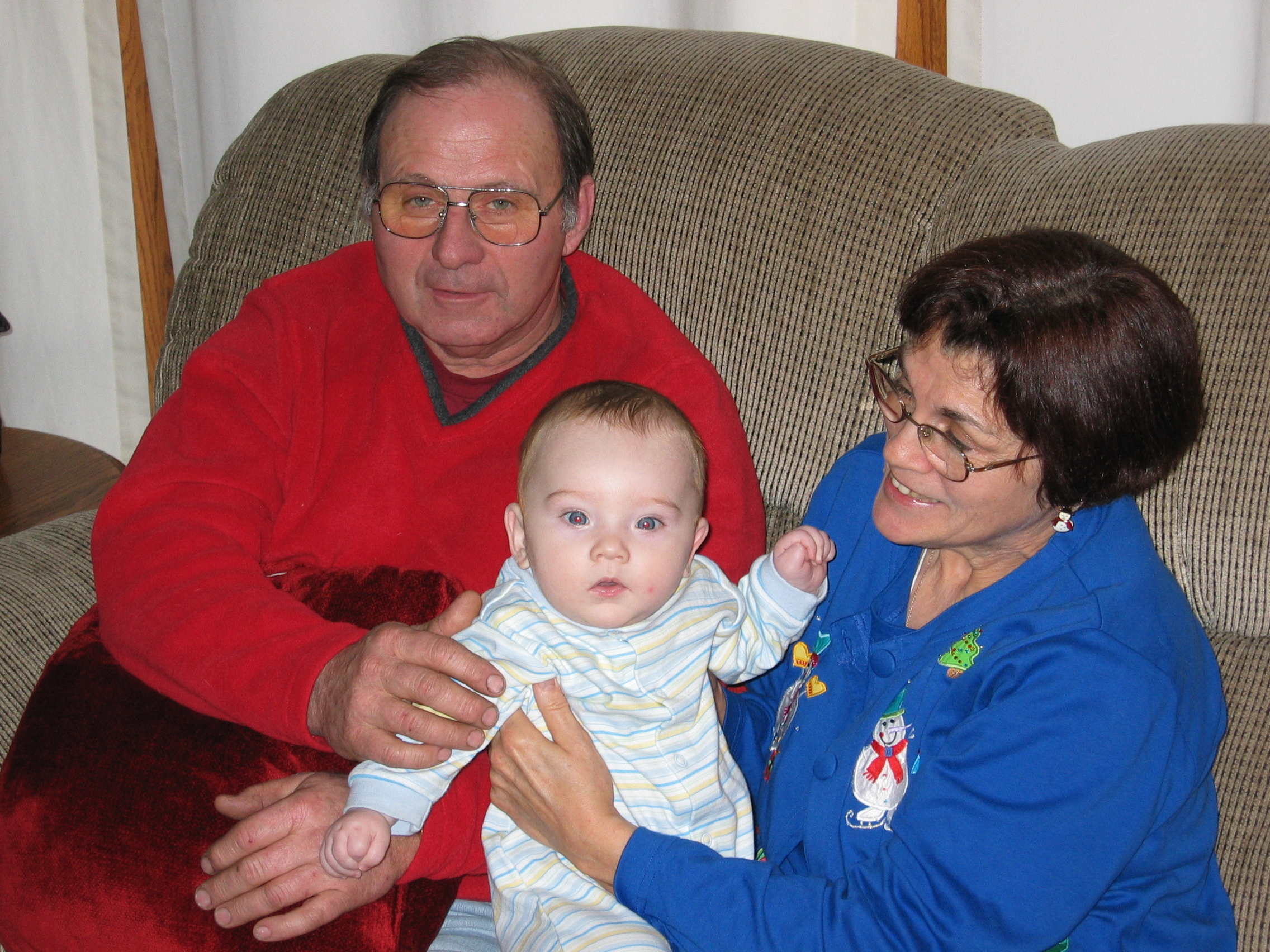
I’ll never forget seeing them sitting together on the couch one afternoon. My dad looked at my mom and joked, “We look like a couple of bookends.” Behind that humor was an incredible amount of courage, love, and quiet strength.
Through these experiences, I learned that healing journeys extend far beyond medical treatments. People face layers of physical, emotional, and spiritual challenges that aren’t always visible from the outside.
That’s why I was moved when Scott Sanders, founder of CancerWell.org, reached out to share his reflections and upcoming book on cancer recovery and mindfulness. His work speaks deeply to the heart of these experiences — exploring how presence, compassion, and community can support us through life’s hardest moments.
Below is Scott’s guest article. I hope it resonates with you, whether you’re walking your own path of healing or supporting someone you love.
How to Support Your Body and Mind During Cancer Treatment
Living with cancer can fracture daily rhythms and emotional anchors. But within that disorientation, it’s still possible to reconnect with yourself, through practices that are small, tactile, and rooted in your own lived reality. Self‑care and spiritual wellness aren’t about transcendence. They’re about durability. They help restore access to a sense of choice when the body, calendar, and treatment plan say otherwise. What follows isn’t a cure. It’s a toolkit—human‑scale ways to tend to yourself with less overwhelm and more honesty. You’re not aiming for balance. You’re building scaffolding.
Use Mindfulness to Interrupt the Spin
Chemotherapy and scans introduce a cycle of internal chaos that’s hard to explain to others. You might feel alert and exhausted at once, or emotionally numb while your thoughts race. Simple breath‑led mindfulness exercises, even when done briefly, can disrupt this internal spin. Programs tailored for people in treatment have shown that mindfulness reduces chemotherapy‑related anxiety and fatigue. What makes it useful is not just calm, it’s the reorientation it provides. When you’re in your body and breath, you are less at the mercy of spiraling thoughts. Five minutes at the edge of the bed before appointments or during infusions isn’t trivial. Its power is reclaimed in small doses.
Rebuild Sleep as a Protective Layer
Rest doesn’t automatically come when you’re tired. Cancer fatigue scrambles energy in unpredictable ways. Sometimes the body is heavy, but the mind won’t quiet down. Rest needs structure, not just more hours in bed. Small shifts, like cooling the room, cutting off screens earlier, or adjusting when you eat, can make a difference. Even subtle changes have been shown to promote deeper rest during treatment, helping the body reset more fully between demands. When rest becomes a protective layer, rather than a reaction to burnout, it creates room for clearer mornings and less reactive nights.
Practice Self‑Compassion Without Justifying It
You may find yourself negotiating with your own suffering. “Other people have it worse.” “I should be handling this better.” That pattern is so common, it’s practically a reflex. But self‑compassion is not self‑pity, and it’s not indulgent. It’s a skill, one that research shows can reduce emotional overwhelm in patients facing serious diagnoses. Structured approaches to self‑compassion lower distress symptoms while increasing a sense of personal resilience. It’s not about thinking positively. It’s about being honest enough to treat yourself with the same care you’d give a friend in the same situation.
Eat What You Can, When You Can
Nutrition during cancer isn’t about perfection. It’s about tolerability, timing, and tuning in. Appetite loss, nausea, and flavor distortion all affect what food even feels possible. The goal isn’t hitting macros, it’s keeping energy levels steady and avoiding spirals of shame or frustration. Registered dietitians working with patients often suggest eating 5 to 6 small meals during treatment, rather than forcing three full ones. When food becomes a form of support instead of another demand, the entire day softens. Liquid calories count. Crackers count. Small counts.
Make Space for Spiritual Wellness
Cancer often ushers in spiritual questions: What do I believe now? What gives me meaning when so much feels uncertain? You don’t need to have a faith tradition to explore spiritual care. Simple acts like speaking with a pastoral care provider, joining a faith‑oriented community, or quiet reflection can anchor you. Studies affirm that spirituality in cancer care enhances quality of life for many patients, reducing anxiety, strengthening hope, and helping with coping. If your hospital or clinic has a chaplain or spiritual support services, even a single conversation can open new relief. Let your beliefs or values guide the form; you decide what feels nourishing.
Keep Gentle Movement in the Rotation
Your body may feel like unfamiliar territory—stiff, sore, or off‑balance. But some forms of movement can help you come back into it without force. Gentle yoga, especially yin styles that emphasize slow holds and floor‑based poses, offers a way to reconnect with sensation without pushing into fatigue. Many patients find relief in slow, restorative yoga flows, not for strength-building, but for presence. Movement here isn’t about recovery speed. It’s about carving out a window for quiet physical grounding that doesn’t demand anything in return.
Stack Small Choices Toward Wellness
Wellness doesn’t always show up in dramatic lifestyle overhauls. For many, it comes in micro‑decisions: What to drink first thing in the morning, how to pause before saying yes, which chair to nap in. Those kinds of decisions compound. They send quiet signals to your nervous system that you’re still here, still guiding. The logic behind making smarter health decisions each day isn’t about productivity; it’s about restoring a sense of authorship. You can’t control the arc of treatment, but you can shape the rhythms of your own care.
There’s no single blueprint for spiritual wellness or self‑care during cancer. But that’s the point. This is a process of attunement, not achievement. Your needs will shift, hour by hour, scan by scan. The practices above aren’t meant to fix what’s happening. They’re here to hold space for you inside it. Whether it’s a breath, a nap, a spoonful, or a prayer, what you choose is enough. Keep showing up for yourself, imperfectly, repeatedly. That’s what care looks like now.
About Scott Sanders
Scott Sanders is the founder of CancerWell.org, a platform devoted to holistic cancer recovery, resilience, and mindful living. Drawing from years of experience in integrative healing, he offers guidance and resources for patients, caregivers, and communities alike. Learn more about his work and upcoming book at CancerWell.org.
 Apurva - Yoga with Jenn